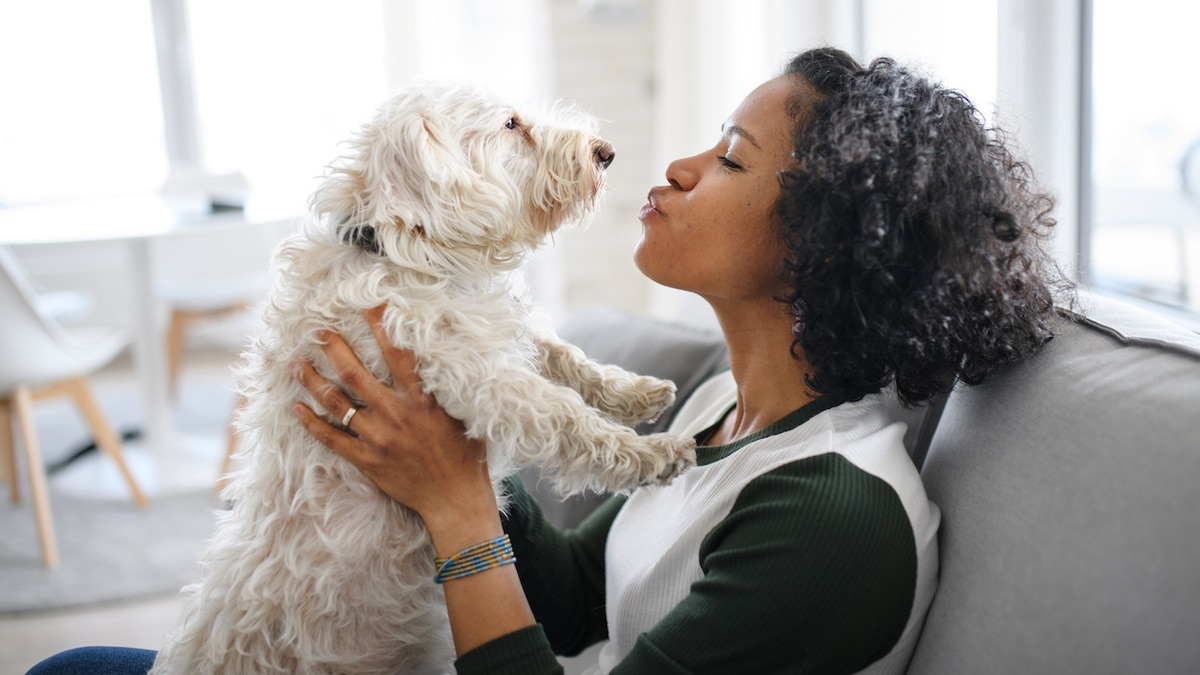
In recent years, advancements in veterinary medicine have significantly increased the lifespan of our canine companions. Many dogs now live well beyond 12 years, with smaller breeds sometimes reaching 15 or even older. This remarkable progress means that owners must adapt their approach to ensure their furry friends thrive during their golden years.
This guide delves into essential strategies for providing the right support and care as dogs age. It is crucial to understand that each dog has unique needs, particularly as they transition into their later life stages. By recognising these requirements, owners can maintain their pets’ quality of life and overall health.
Implementing tailored strategies not only enhances the well-being of your dog but also helps them remain a joyful and active member of the family for many years to come. Embracing these practices is key to ensuring a happy, healthy life for your beloved companion.
Key Takeaways
- Veterinary advancements have extended canine lifespans significantly.
- Every dog requires a personalised approach to health as they age.
- Dedicated care is essential for maintaining quality of life.
- Implementing effective strategies supports your pet’s happiness.
- Understanding your dog’s unique needs is vital for their well-being.
Understanding Senior Dog Care and Wellness Best Practices
Innovations in pet healthcare have led to longer lifespans for our furry friends. Understanding the unique needs of aging canines is crucial for ensuring they enjoy a high quality of life. Regular attention to their health can result in fewer hospitalisations and improved mobility.
Veterinary studies show that dogs receiving consistent, age-specific attention tend to experience fewer health issues. This proactive approach allows owners to address potential concerns before they escalate into serious problems. It is essential to adapt daily routines to meet the changing physical and mental requirements of older pets.
By making small adjustments in care, owners can significantly enhance the daily experience of their companions during these golden years. Prioritising their wellness will not only keep dogs healthy but also enrich their lives.
| Care Aspect | Benefits | Frequency |
|---|---|---|
| Veterinary Check-ups | Early detection of health issues | Every 6 months |
| Exercise | Maintains mobility and weight | Daily |
| Nutrition | Supports overall health | Daily |
| Mental Stimulation | Prevents cognitive decline | Daily |
Recognising Age-Related Changes in Older Dogs
As dogs grow older, their physical and mental states may undergo notable transformations. Understanding these changes is essential for owners who want to provide effective support. One common issue is arthritis, which affects nearly 80% of dogs over the age of 8. This condition can lead to discomfort and reduced mobility.
Owners should be vigilant for subtle signs of distress. For instance, a dog that hesitates to climb stairs or seems stiff after resting may be experiencing mobility issues. Additionally, behavioural shifts can signal underlying problems. Confusion or increased anxiety can indicate cognitive dysfunction, which impacts up to 50% of dogs older than 11 years.
Identifying these changes early allows for timely intervention. By observing their pets closely, owners can distinguish between normal aging and health issues that require veterinary attention. This proactive approach is vital for managing chronic conditions and ensuring a good quality of life.
“The best way to ensure a happy and healthy life for your pet is to stay informed and proactive.”
Optimising Senior Dog Nutrition and Diet
Understanding the dietary changes in older pets is essential for their health. A well-balanced diet tailored to their needs can significantly improve their quality of life. Transitioning to a high-quality food that meets the AAFCO statement of nutritional adequacy is a vital step.
Supplements can also play a crucial role. For joint support, Dasuquin chews are highly effective, while Omega-3 fatty acids from brands like Vetiquinol or Nordic Naturals can help reduce inflammation. Maintaining a healthy weight is important, as senior food formulas are often less calorically dense to prevent unnecessary weight gain.
If your pet shows signs of cognitive decline, consider adding Denamarin Advanced to their regimen. Always consult your veterinarian before introducing new supplements to ensure they are safe and suitable for your specific pet.
“The right nutrition can profoundly impact the quality of life for aging companions.”
Ensuring Regular Veterinary and Home Health Checks
Regular veterinary assessments play a crucial role in maintaining the health of aging pets. For optimal well-being, wellness visits should occur at least every six months, along with yearly lab work. These check-ups are essential for monitoring vital signs and detecting potential health issues early.
During these visits, a veterinarian will conduct senior blood panels to evaluate key markers such as kidney enzymes, including BUN and creatinine. This proactive approach helps in identifying conditions before they become serious.
In addition to veterinary visits, owners should perform home health checks weekly. This involves a physical examination to spot any new lumps, bumps, or changes in behaviour. Early detection of underlying conditions allows for prompt treatment, significantly improving the prognosis for many age-related health issues.
- Scheduling regular vet visits every six months is the most effective way to monitor health.
- Blood panels check kidney enzymes like BUN and creatinine for early disease detection.
- Home checks should involve weekly examinations for any new changes.
- Consistent monitoring ensures the best possible care throughout a pet’s life.
“The best way to ensure a happy and healthy life for your pet is to stay informed and proactive.”
Adapting Exercise and Mobility Routines
Creating a suitable exercise plan for older pets can significantly enhance their quality of life. As pets age, their physical abilities often change, making it essential to adapt exercise routines to their needs. Owners should focus on low-impact activities that promote mobility without causing discomfort.
Swimming is an excellent choice, as it supports joint health and muscle tone without stressing arthritic limbs. Instead of long, strenuous walks, consider splitting them into shorter sessions throughout the day. This approach helps maintain activity levels without overexertion.
Always consult a veterinarian to design a tailored exercise plan that respects the physical limitations of your aging companion. Gentle play and leisurely strolls on soft surfaces like grass can help preserve muscle tone and reduce stiffness.
- Adapting exercise routines is necessary for changing stamina and mobility needs.
- Low-impact exercises like swimming support joint health without pain.
- Shorter walks throughout the day keep pets active without overdoing it.
- Consult your veterinarian for a personalised exercise plan.
- Gentle play and soft surface walks help maintain muscle tone.
Creating a Senior-Friendly Home Environment
Creating a safe and welcoming home for an older companion is vital for their overall well-being. Simple modifications can ensure your pet remains comfortable and secure in their living space.
One effective solution is to use a Petfusion memory foam bed. This type of bed can significantly alleviate pressure on the joints, providing much-needed comfort for those suffering from arthritis.
Additionally, installing ramps for stairs and covering slippery floors with rugs can help prevent falls. These adjustments offer stability, making it easier for an aging pet to navigate their environment.
Raising food and water bowls on a platform can also reduce neck and back strain. This small change can make daily care much easier for your pet.
Overall, these home adjustments foster independence and confidence, allowing your dog to move about with ease and safety.
Maintaining Dental and Sensory Health in Senior Dogs
With advancing age, a dog’s dental and sensory health can significantly impact their overall well-being. Over 80% of older dogs exhibit signs of periodontal disease, which can lead to serious health risks if left untreated. Bacteria from infected gums may enter the bloodstream, potentially causing heart inflammation.
Daily brushing of your dog’s teeth with dog-safe toothpaste is crucial. This practice helps prevent plaque and bacteria buildup on the gums, ensuring better oral health. Regular professional dental cleanings are also essential to remove tartar and avoid systemic infections.
Sensory health often declines in older pets. Vision and hearing loss can be common, so using hand signals for communication is beneficial. Keeping the furniture layout consistent helps reduce the risk of accidents for dogs experiencing vision loss or cataracts.
- Maintaining dental health is critical, as 80% of older dogs show signs of periodontal disease that can impact their overall health.
- Daily brushing of your dog’s teeth with dog-safe toothpaste helps prevent the buildup of plaque and bacteria on the gums.
- Sensory health, including vision and hearing, often declines, so you should use hand signals to communicate with your dog.
- Keep your furniture layout consistent to reduce the risk of accidents for a dog experiencing vision loss or cataracts.
- Regular professional dental cleanings are essential to remove tartar and prevent systemic infections that could affect your dog’s organs.
Enhancing Mental Stimulation and Cognitive Health
Promoting brain activity is crucial for enhancing the quality of life in older pets. Engaging them in mental challenges can slow cognitive decline and keep their minds sharp. One effective method is through interactive games, specifically using Paws to Play techniques.
Incorporating Trixie activity boards provides a fun puzzle that requires your pet to nudge levers or spin wheels. This not only challenges their brain but also keeps them engaged during their golden years. Studies indicate that dogs receiving regular mental challenges exhibit fewer symptoms of confusion and anxiety.
- Enhancing mental stimulation is vital for your companion, and using Paws to Play techniques can help slow cognitive decline.
- Daily training sessions of 10 minutes maintain responsiveness and provide necessary mental stimulation.
- We recommend using Paws to Play strategies to introduce scent games that tap into your pet’s natural curiosity.
- Consistent problem-solving activities prevent boredom and support cognitive health as they age.
“Mental engagement is key to a happy and fulfilling life for your pet.”
Specialised Care Ideas and Alternative Therapies
Innovative approaches to pain relief can transform the lives of aging canines. Managing chronic pain is a significant aspect of specialised support. Arthritis affects over 60% of dogs older than 8 years, causing joint pain and stiffness that limit movement.
Your veterinarian may prescribe NSAIDs or suggest alternative therapies like acupuncture to improve your pet’s quality of life. These options can provide much-needed relief and enhance mobility.
ElleVet CBD products are a recommended choice for managing pain and anxiety, as they undergo rigorous quality control processes. Always consult with your veterinarian before introducing new treatments to ensure they are safe.
Incorporating therapeutic exercises and hydrotherapy can also address mobility conditions without placing excessive stress on joints. Holistic treatments should always be discussed with your veterinarian to ensure they complement your pet’s existing medical care plan.
- Specialised support often involves managing chronic pain caused by arthritis.
- Your veterinarian may prescribe NSAIDs or suggest acupuncture for relief.
- ElleVet CBD products can help manage pain and anxiety effectively.
- Therapeutic exercises and hydrotherapy support mobility without stress.
- Always consult your veterinarian regarding holistic treatments.
Integrating Senior Dog Care and Wellness Best Practices
Embracing advancements in pet care technology can help us better support our aging companions. Innovative tools like Pawstoplay simplify tracking daily needs, ensuring pets receive appropriate attention.
Using technology such as Pawstoplay allows for effective monitoring of a dog’s weight. This proactive approach helps prevent weight gain and associated health issues, which can be particularly critical as pets age.
Adjustments to routines are often necessary for older pets. These tools assist in managing time spent on training and exercise, making it easier for owners to maintain a balanced lifestyle for their furry friends.
Proper care for joints and overall quality of life is simplified with modern tracking solutions. As dogs reach a certain age, they may need specific dog foods to maintain their health and vitality every day.
- Innovative tools like Pawstoplay help track daily needs effectively.
- Monitoring weight can help prevent obesity-related health issues.
- Adjustments to routines may be necessary as pets age.
- Modern tracking solutions simplify joint care and enhance quality of life.
- Specific dog foods may be needed to support health as dogs age.
Conclusion
The twilight years of a pet’s life can be a time of great joy with the right support and care. Providing dedicated attention during these moments ensures they enjoy a high quality of life filled with comfort.
Monitoring weight is essential to help prevent weight gain, which can strain their joints. Supporting their mobility keeps pets active and engaged for longer. Each dog may need different adjustments as they age, so maintaining close communication with a trusted veterinarian is crucial.
Consistent training and mental engagement are vital for keeping spirits high and maintaining cognitive health throughout their lives. With the right approach, many common health issues can be avoided, allowing your companion to thrive at every age.