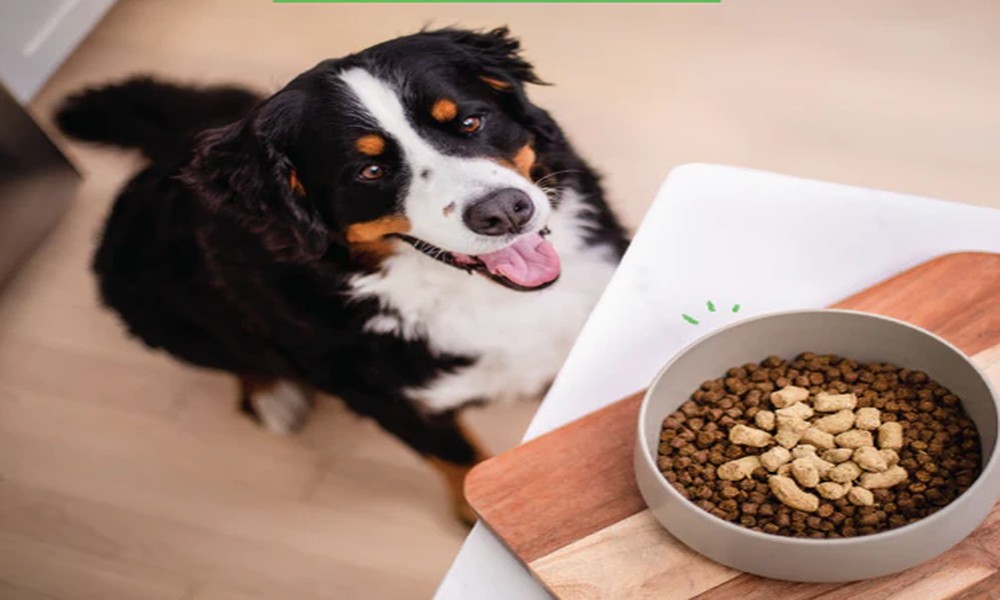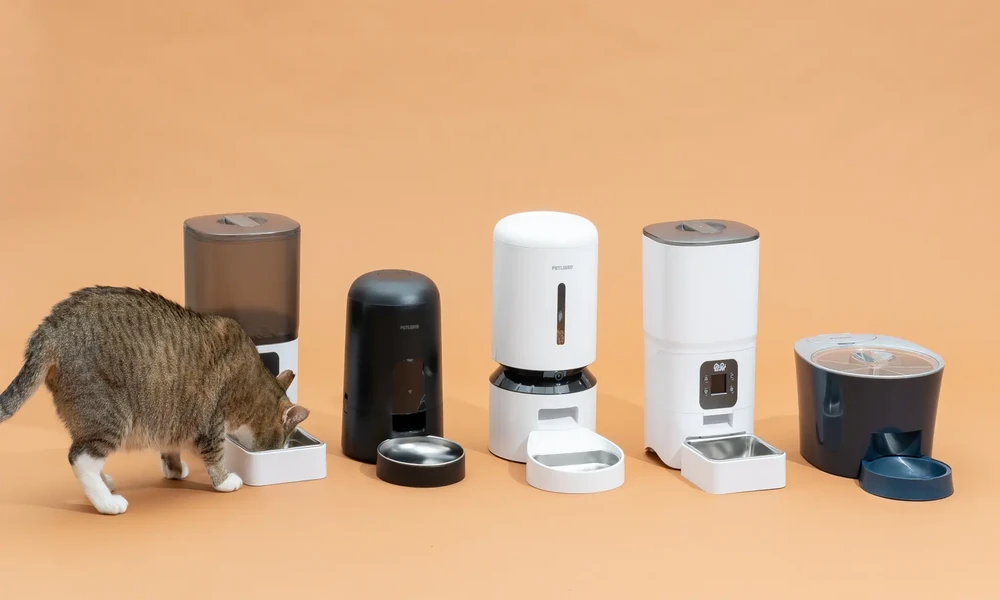
An automatic pet feeder & water dispenser set is a two-in-one system that dispenses food on a schedule while also supplying a continuous flow of fresh water. It solves two daily pet care tasks with one setup instead of two separate devices.
Most sets pair a programmable feeder bowl or hopper with a circulating water fountain, often stainless steel or BPA-free plastic. The feeder controls portion size and feeding times, while the fountain filters and recirculates water to keep it appealing and reduce stagnation.
These sets are built for pet owners who work long hours, travel often, or manage multiple pets with different feeding needs. They’re common for cats and small to medium dogs, since both species benefit from portion control and access to running water.
How a WiFi Automatic Pet Feeder Works
A WiFi automatic pet feeder connects to a home network so an owner can control feeding schedules and portions from a smartphone app, even away from home. The feeder still works on a set timer if the WiFi connection drops.
The typical setup involves three steps:
· Pairing – The feeder connects to a 2.4GHz home WiFi network through a companion app during initial setup.
· Scheduling – The owner sets feeding times and portion sizes, which can range from a few grams to several cups per meal.
· Monitoring – Push notifications confirm each dispensed meal, and some models add a camera for live video and two-way audio.
Voice control integration and video monitoring have become standard on mid-range and premium models (ShelfTrend, 2025). Prices for WiFi-enabled feeders on Amazon typically fall between $80 and $200 (ShelfTrend, 2025).
Why a Stainless Steel Pet Water Fountain Matters
A stainless steel pet water fountain keeps water cleaner for longer because the material doesn’t retain bacteria or odors the way plastic does over repeated use. This makes it a better long-term choice for households that want lower maintenance.
Stainless steel also resists scratching, which matters because scratched plastic surfaces trap bacteria in tiny grooves. Cats in particular are drawn to moving water, and fountains encourage more frequent drinking than a static bowl.
Key features to compare when choosing a fountain:
· Filter type: Activated carbon filters remove odor and loose debris; look for ones rated to last 2-4 weeks.
· Pump noise level: Ultra-quiet pumps under 40 decibels matter most for households with anxious cats.
· Capacity: A 2-3 liter reservoir is usually enough for one or two pets between refills.
· Cleaning frequency: Stainless steel fountains generally need weekly cleaning versus more frequent cleaning for plastic models.
Common Mistakes to Avoid When Buying a Feeder & Fountain Set
· Ignoring hopper capacity: A hopper too small for a multi-pet household means frequent refills and missed WiFi alerts about low food.
· Skipping the app review check: Some budget WiFi feeders have poorly rated apps that disconnect randomly – check app store reviews before buying.
· Choosing plastic fountains for multi-cat homes: Plastic scratches faster with more pets using it, shortening its bacteria-resistant lifespan.
· Overlooking pump replacement cost: Some fountains use proprietary pumps that cost nearly as much as a new unit to replace.
Key Takeaways
· A feeder & water dispenser set covers both food and water needs in one connected system.
· WiFi models add remote scheduling and monitoring but should still work offline via a built-in timer.
· Stainless steel fountains cost more upfront but last longer and resist bacteria better than plastic.
· Match hopper and reservoir capacity to the number of pets in the household before buying.