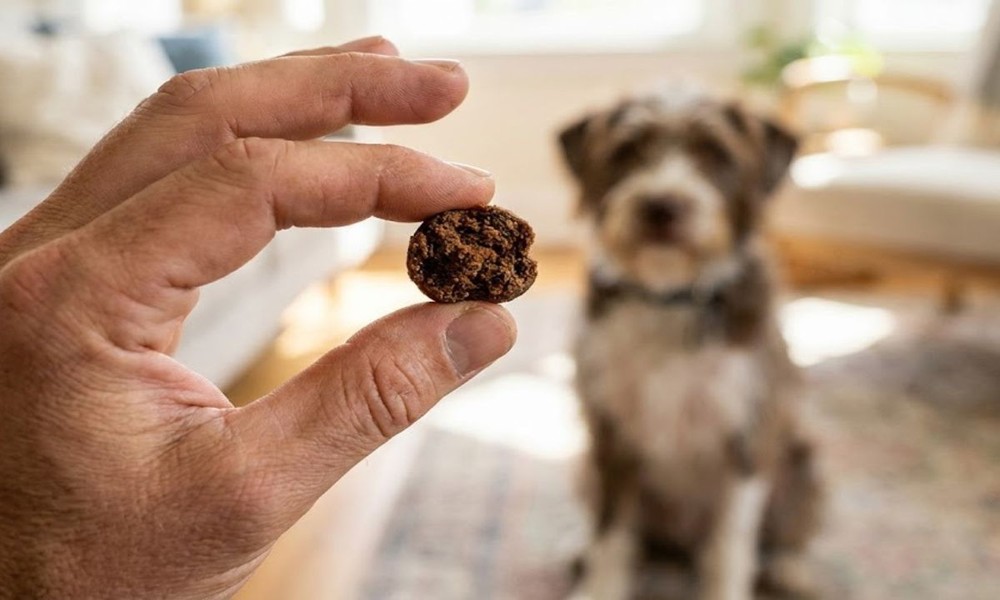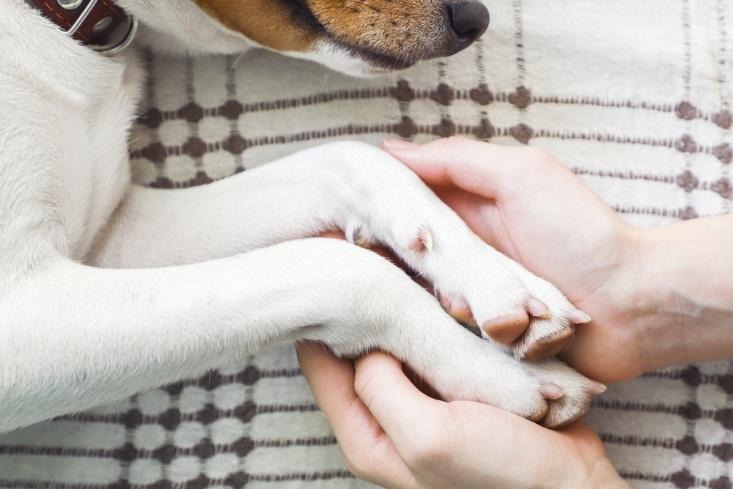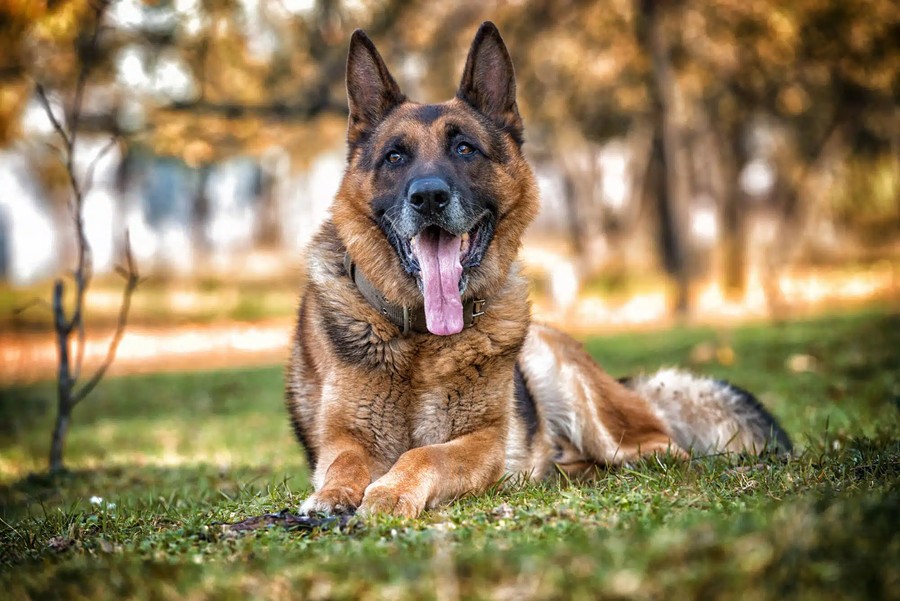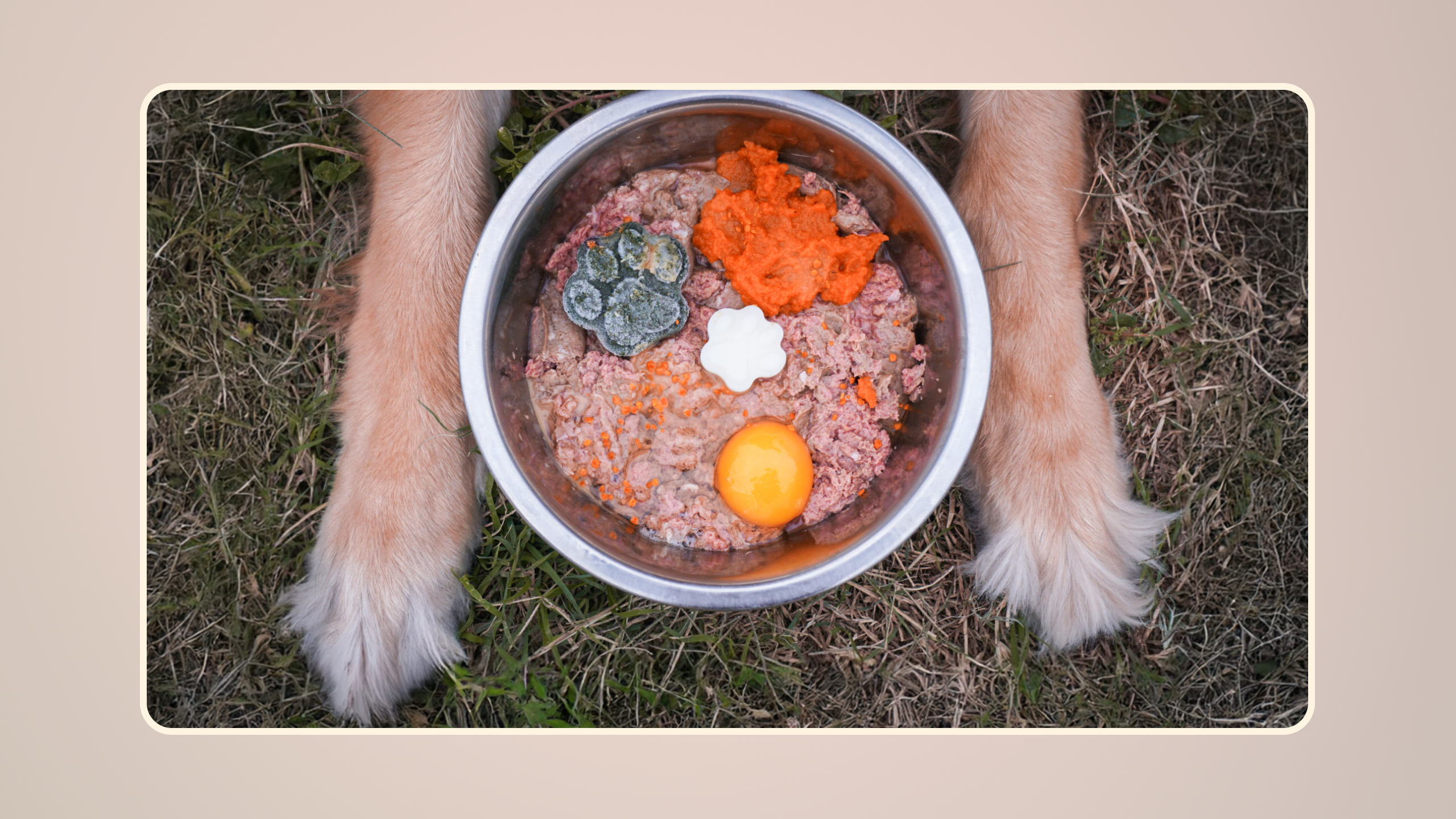
Training a dog can sometimes feel like a puzzle. Why does your dog respond instantly one day but seem distracted the next? One of the biggest factors influencing your dog’s motivation is reward. When rewards are involved, especially treats for dogs, most pups become more focused, eager, and willing to repeat behaviors.
But why does this happen? The answer lies in the science of how dogs learn.
How Rewards Influence Learning
Dogs learn through consequences. When a behavior leads to something positive, they are more likely to repeat it. This principle is known as positive reinforcement, and it is one of the most effective ways to teach dogs new skills.
When you reward your dog with treats after they perform a desired behavior, their brain forms a connection between the action and the reward. Over time, this association becomes stronger. Your dog begins to understand that sitting, coming when called, or walking politely on a leash leads to something enjoyable.
Because food is naturally motivating for dogs, treats for dogs act as a powerful reinforcement tool during training sessions.
The Brain Science Behind Treat-Based Training
The reason rewards work so well is linked to a chemical in the brain called dopamine. Dopamine is often referred to as the “reward chemical.” When your dog receives something enjoyable, like tasty treats for dogs, dopamine is released in the brain.
This release creates a positive emotional response and reinforces the behavior that just happened.
In simple terms, your dog’s brain is saying, “That action led to something great. Let’s do it again.”
This biological process helps explain why dogs often work harder and stay more engaged when rewards are part of training.
Why Food Rewards Work So Well
Food rewards are immediate, clear, and easy for dogs to understand. Unlike verbal praise alone, treats for dogs provide a tangible reward that your dog can quickly associate with their actions.
This is especially helpful when:
Small, high-value treats for dogs allow you to reward behaviors frequently without interrupting the learning process.
Final Thoughts
Dogs naturally repeat behaviors that lead to positive outcomes. When training includes well-timed rewards, especially treats for dogs, learning becomes faster, clearer, and more enjoyable for both you and your pup.
If you want to make training sessions more productive, choosing high-quality treats for dogs can make a noticeable difference. Options like freeze-dried training treats or soft and chewy training treats can help keep your dog motivated, focused, and excited to learn.