International flights can be a significant change for dogs that have never travelled before. Airports, unfamiliar sounds, long periods inside a kennel, and changes in routine may all contribute to stress. Preparing your pet well in advance allows enough time to build familiarity with the travel crate, making it a place of comfort rather than confinement.
For families planning international dog relocation from the US, Starwood Pet Travel highlights the importance of preparing dogs for their travel kennel long before departure. The educational resources on their website explain that gradual crate familiarization can help reduce anxiety during air travel while supporting a safer and more comfortable journey.
Building Positive Crate Habits
Successful dog travel crate training begins with patience. Place the crate in a familiar part of your home and leave the door open so your dog can explore it naturally. Encourage voluntary entry by placing treats, toys, or meals inside.
As your dog becomes more comfortable, gradually increase the amount of time spent resting in the crate. Positive experiences over several weeks are generally far more effective than rushed preparation.
Selecting the Right Travel Crate
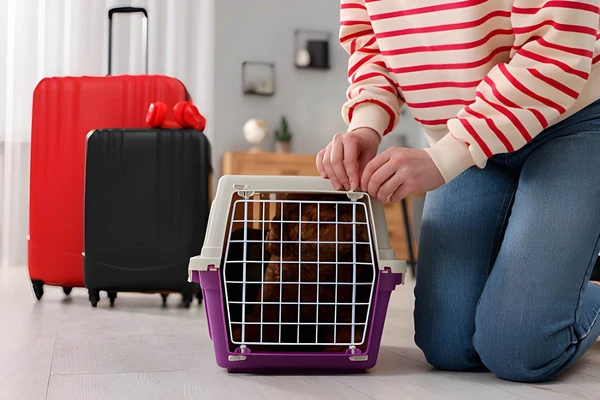
An airline-approved crate should allow your dog to stand, turn around, and lie down comfortably. An absorbent liner can help keep the crate dry, while a light blanket or towel carrying familiar household scents may provide additional reassurance. Allowing your dog to nap inside the crate before travel also helps establish it as a familiar resting place.
Preparing for Flight-Day Conditions
Once your dog is comfortable inside the crate, introduce gentle movement to simulate travel. Short car rides, carrying the crate for brief distances, or placing it in different environments can help your pet adjust to the handling experienced during airport transfers. These gradual practice sessions often make the actual journey feel much less unfamiliar.
Feeding Before Departure
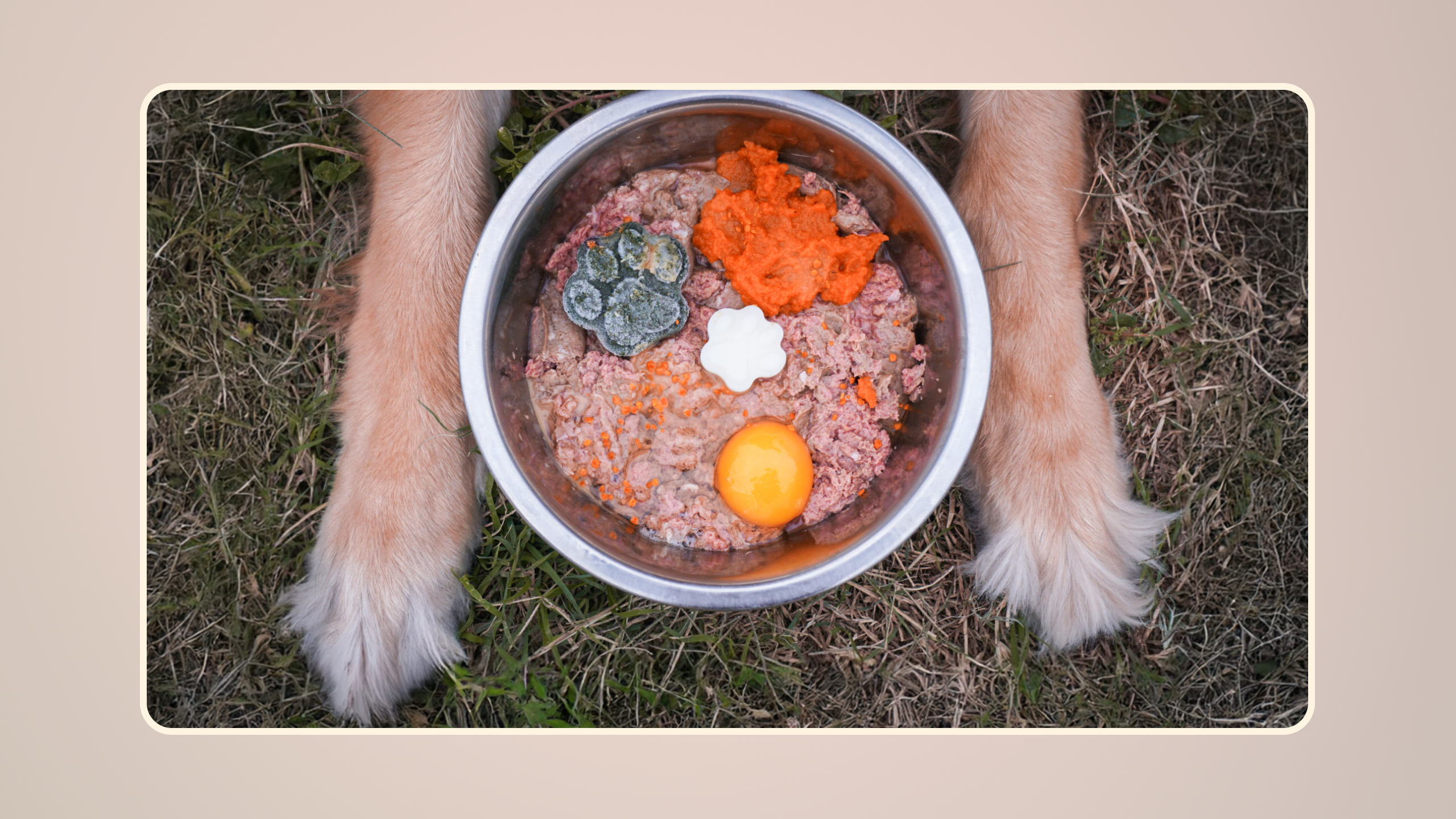
Dogs should not travel immediately after a large meal, but they should also avoid flying on an empty stomach. A light meal several hours before departure, together with appropriate access to fresh water, is generally recommended. Sedation is usually discouraged because it may increase health risks during air travel. Consulting a veterinarian before departure helps ensure your dog’s specific needs are addressed.
Planning a Smooth International Journey
If you are moving overseas with a dog, early preparation can make a noticeable difference. Allowing sufficient time for crate familiarization helps your pet adapt to the travel environment gradually, reducing unnecessary stress while making the journey more manageable for both the dog and the owner.
When Professional Assistance Can Help
Working with a pet shipping company does not replace the need for crate preparation. Regardless of who coordinates the travel arrangements, a dog that already feels secure inside its crate is generally better prepared for the unfamiliar sights, sounds, and routines of international air travel. Consistent preparation remains one of the most valuable steps owners can take before departure.
Thoughtful crate preparation is an investment in your dog’s well-being. Starting early, following recommended practices, and planning carefully can help make international air travel a safer, calmer, and more comfortable experience for everyone involved.