Those first few weeks with a new puppy can feel like a mix of joy, chaos, and comedy. One minute they are sleeping like an angel. The next, they are chewing your shoe, nipping your sleeve, barking at nothing, or having an accident two feet from the door.
It is easy to feel frustrated, but most puppy problems are not signs of a “bad dog.” They are signs of a young dog learning how to live in a human home.
Puppies Need Guidance, Not Guesswork
A puppy does not automatically understand that rugs are not potty spots, hands are not chew toys, and guests should not be greeted with flying paws. These are skills that must be taught with patience, repetition, and clear communication.
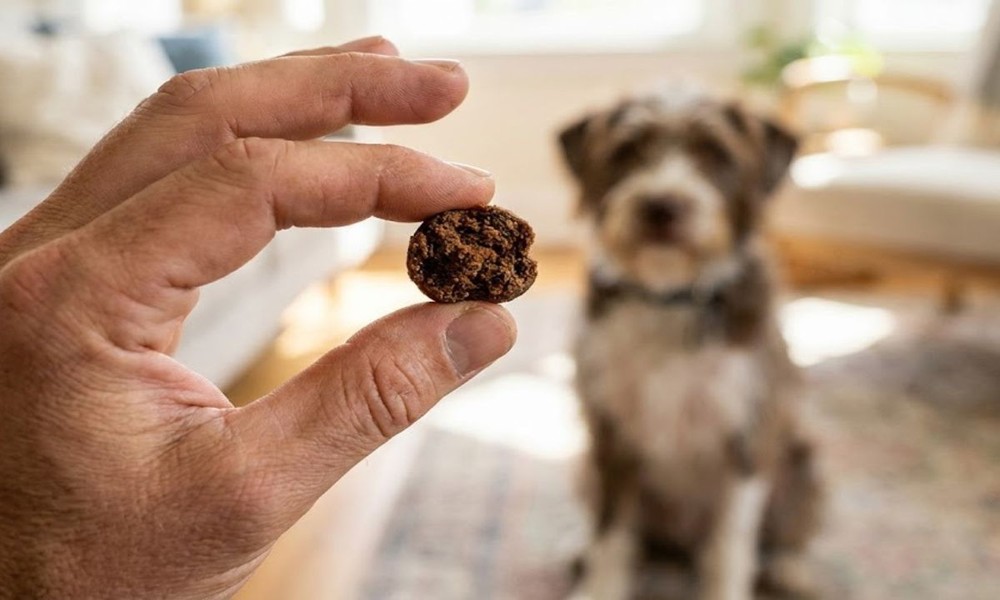
Positive training helps puppies learn what to do instead of simply being corrected for mistakes. Rewarding calm greetings, appropriate chewing, coming when called, and settling quietly teaches your puppy which choices lead to good things.
Why Training at Home Can Make Learning Easier
Home is where many puppy challenges actually happen. It is also where your puppy usually feels safest.
Starting training at home can help address everyday issues like:
- Potty accidents
- Crate struggles
- Jumping on family or visitors
- Puppy biting and nipping
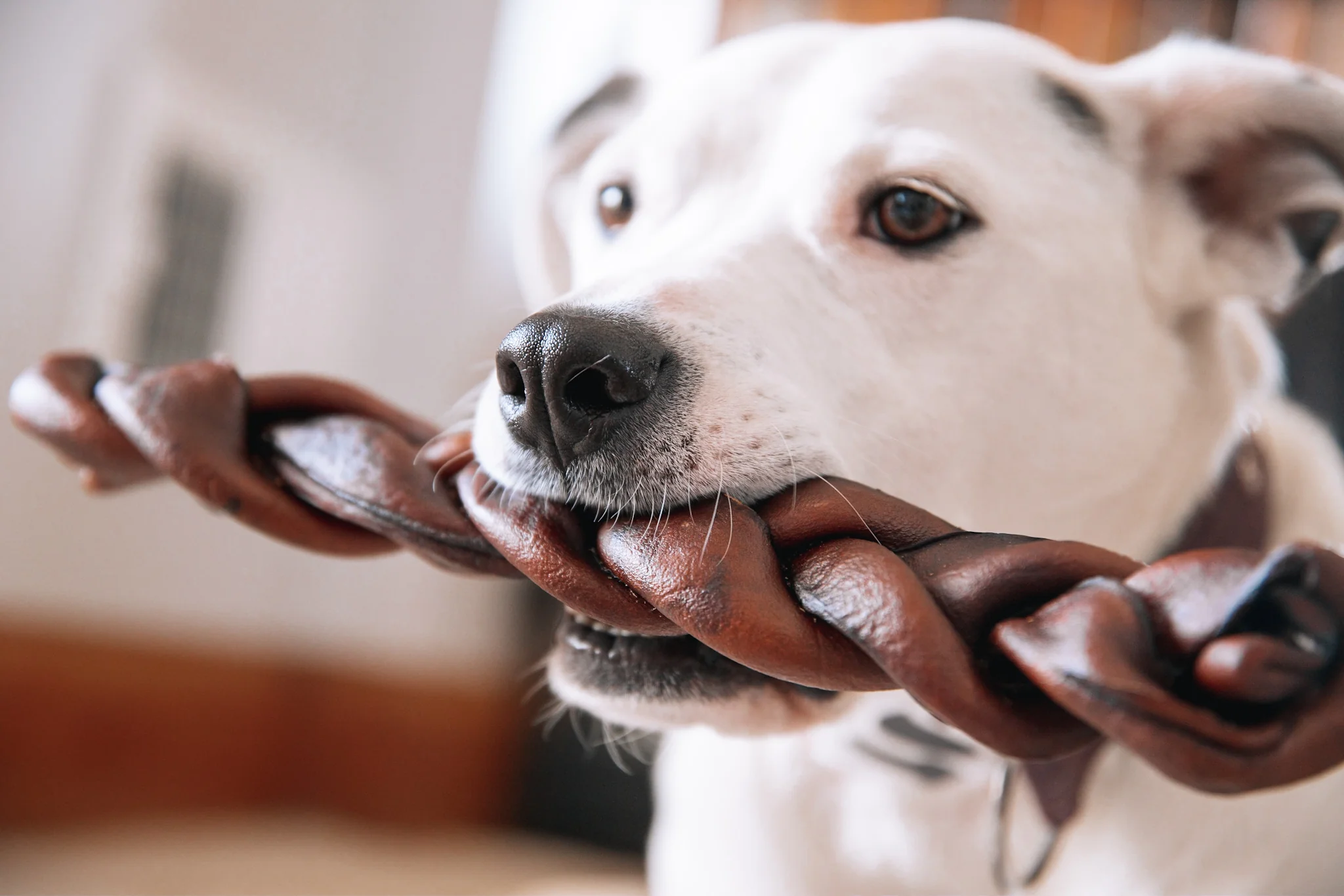
- Chewing furniture or shoes
- Barking for attention
- Pulling during neighborhood walks
- Trouble settling down
Once your puppy builds confidence in a familiar place, those skills can gradually be practiced around more distractions.
Confidence Matters as Much as Obedience
A well-trained puppy is not just one who knows commands. A well-trained puppy is one who feels secure, trusts their people, and can handle new experiences without becoming overwhelmed.
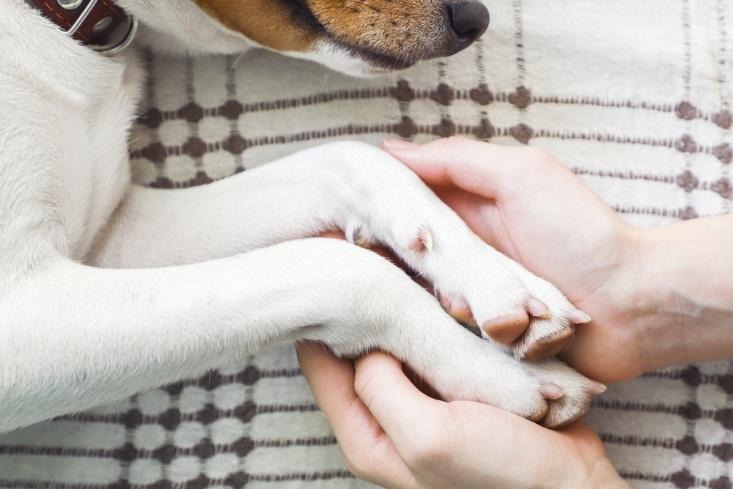
Healthy socialization should be gentle and intentional. That may mean calmly experiencing new sounds, people, surfaces, car rides, children, grooming tools, and other dogs at a pace your puppy can comfortably handle. This is especially important for a Cavapoo, as their friendly and people-oriented nature can benefit greatly from positive early experiences that help build confidence in different environments.
The goal is not to expose your puppy to as much stimulation as possible. Instead, each new experience should feel safe, manageable, and positive. Over time, this approach helps your puppy develop the confidence to think, “I can handle this.”
Choosing the Right Kind of Help
When training feels overwhelming, getting support can make a big difference. A qualified Dog Trainer in Naples can help you understand your puppy’s behavior, create realistic routines, and teach skills in a way that fits your family’s daily life.
For young dogs especially, working with a Puppy Trainer in Naples who uses reward-based methods can help prevent common issues before they become long-term habits.
It is also worth looking for a positive puppy trainer who focuses on trust, communication, and humane learning instead of fear or force.
A Calmer Home Starts With Better Communication
Puppy training is not about demanding perfection. It is about helping your puppy understand what you want and giving them the tools to succeed.
For local families looking for kind, in-home support, Naples Dog Academy is one Naples resource focused on positive reinforcement and practical communication between dogs and their people.
With the right foundation, the puppy stage becomes less stressful, more joyful, and full of small wins that grow into lifelong good habits.