Veterinary practices often encounter moments when clients face the profound loss of a beloved pet. In these situations, pet sympathy cards serve as a thoughtful gesture that acknowledges the emotional bond between owners and their animals. These cards provide a means to express condolences in a personalized manner, helping to foster lasting relationships with clients during difficult times. Companies like Positive Impressions specialize in supplying such items tailored for veterinary use, offering options that allow practices to select designs fitting specific animal species. This approach ensures the message resonates deeply, reflecting the unique nature of each pet-owner relationship.
Beyond basic acknowledgment, pet sympathy cards contribute to the overall support system within a clinic. Staff members can include them with other memorial items, creating a comprehensive package that aids in the grieving process. For instance, pairing a card with plantable seed inserts encourages owners to create a living tribute, where wildflowers bloom as a reminder of their pet. Such combinations demonstrate a practice’s commitment to compassionate care, extending interactions beyond medical treatments.
Customizing Pet Sympathy Cards for Meaningful Condolences
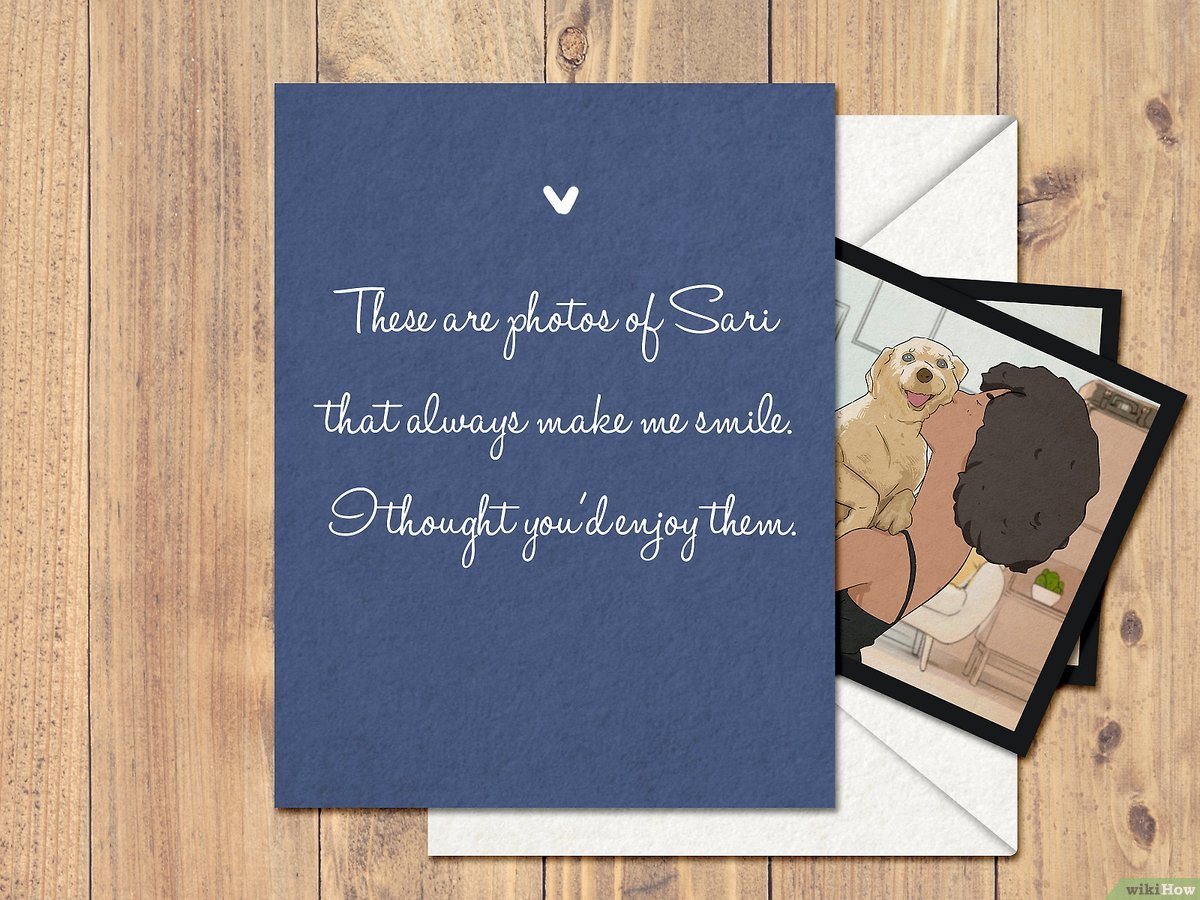
Customization plays a key role in making sympathy gestures feel authentic. Veterinary suppliers provide cards that allow selection of animal-specific imagery, ensuring relevance to the pet in question. A card featuring a dog’s silhouette differs significantly from one with a cat or bird, allowing the practice to match the design to the client’s experience. Positive Impressions, known for its range of veterinary products, includes options like the Select Animals Sympathy Card, which enables this level of personalization without complexity.
The interior message also holds importance. Standard quotes, such as “Those we have loved never go away, they walk beside us,” offer comfort through familiar sentiments. Practices can choose messages that align with their philosophy, avoiding generic phrasing that might dilute the impact. This attention to detail transforms a simple card into a cherished keepsake, one that clients may retain long after the initial loss.
Materials and presentation further enhance the gesture. Cards printed on quality paper convey professionalism, while enclosing them in a dedicated envelope adds a layer of dignity. Veterinary teams often find that these small elements elevate the overall client experience, reinforcing trust in the practice’s empathy.
Complementary Items to Enhance Pet Memorials
Sympathy cards rarely stand alone in supporting grieving clients. Memorial seed inserts, for example, consist of plantable paper embedded with a mix of annual and perennial wildflower seeds. Owners can plant these in a garden or pot, watching the growth that symbolizes renewal amid sorrow. Such items integrate seamlessly with cards, providing a tangible activity that channels emotions productively.
Clay paw print kits offer another avenue for preservation. These kits capture a pet’s unique paw impression in clay, creating a physical memento that owners can display or store. Available in varieties like almond shimmer or original white, they require minimal effort yet yield lasting results. Positive Impressions supplies these alongside sympathy cards, enabling practices to assemble thoughtful packages.
Drawstring bags with paw print patterns serve as practical carriers for these items. Made from sheer organza with satin ribbons, they provide an elegant way to send memorials home, maintaining a cohesive and respectful presentation.
Integrating Sympathy Gestures into Daily Practice
Incorporating pet sympathy cards and related items into routine operations streamlines client support. Veterinary teams prepare these materials in advance, ensuring availability during end-of-life discussions or euthanasia procedures. This preparation allows for immediate response, which clients appreciate in moments of vulnerability.
Training staff on when and how to present these gestures ensures consistency. A brief note inside the card, perhaps referencing a shared memory from clinic visits, adds a personal element without overstepping boundaries. Over time, such practices build a reputation for holistic care, where emotional well-being receives equal attention to physical health.
Clients often return to practices that demonstrate this level of understanding, seeking ongoing care for other pets. By sourcing reliable products from established suppliers like Positive Impressions, veterinary professionals maintain high standards in their sympathy offerings. This strategy not only aids individual clients but also strengthens the community’s view of the practice as a compassionate partner in pet ownership.
In veterinary medicine, addressing pet loss through thoughtful items like sympathy cards forms an essential part of client relations. These gestures, when handled with care, leave enduring positive impressions that extend far beyond the clinic walls.