Owning a protection dog is not just about security—it is about welcoming a loyal and well-trained companion into your home. Many people who look for protection dogs for sale want both safety and peace of mind. These dogs are trained to protect their owners, families, and property while still being calm, obedient, and safe to live with. A protection dog is not aggressive by nature. Instead, it is trained to respond only when there is real danger.
What Is a Protection Dog?
A protection dog is trained to notice unusual behavior and respond to real threats. Unlike regular pets, protection dogs can guard, alert, and defend when needed. At the same time, they are trained to behave gently around family members, visitors, and children. They can tell the difference between normal daily activity and a dangerous situation, which makes them reliable and controlled.
Legal and Safety Responsibilities
In the UK, owning a protection dog comes with legal duties. Laws are in place to protect the public and the dog. Owners are responsible for their dog’s actions at all times. Dogs must be trained using safe and humane methods. Training that encourages uncontrolled aggression is not allowed. This is why professional and ethical training is very important.
Protection dogs must always be under control in public places. Owners should understand the law, use leads where required, and make sure their dog behaves properly outside the home. A well-trained protection dog should never be a danger to the public.
How Protection Dogs Are Trained
Training a protection dog takes time, patience, and skill. It starts with basic obedience, such as sitting, staying, walking calmly on a lead, and responding to commands. This builds trust and control.
After this, the dog learns more advanced skills, such as following commands from a distance and staying focused even with distractions. Physical training helps the dog stay fit and confident, while mental training teaches the dog how to stay calm and think before acting.
One of the most important parts of training is threat recognition. The dog learns when to react and when not to. Protection dogs are trained to stop immediately when told, which keeps everyone safe. Training does not end after the dog comes home. Regular practice helps keep skills sharp and behavior balanced.
Living With a Protection Dog
Living with a protection dog is a long-term commitment. These dogs need structure, care, and attention to stay healthy and well-behaved. When their needs are met, they become loving family members as well as reliable protectors.
Daily Care and Routine
Protection dogs do best with a regular daily routine. This should include physical exercise such as walks, playtime, or running. Most protection dogs are active and need movement to stay healthy.
Mental activity is just as important. Simple training sessions, games, and problem-solving toys help keep their minds active. Short and regular training sessions work better than long ones and help the dog stay focused and happy.
Family Life and Social Behavior
A protection dog must learn who belongs in the household. Slow and careful introductions help the dog feel comfortable with family members, children, and other pets. Children should be taught how to respect the dog by not pulling, teasing, or disturbing it while resting or eating.
Socialisation is very important. A well-socialised protection dog is calm in public, friendly with strangers when appropriate, and confident in new places. This balance helps prevent fear or unwanted behavior.
Health and Well-being
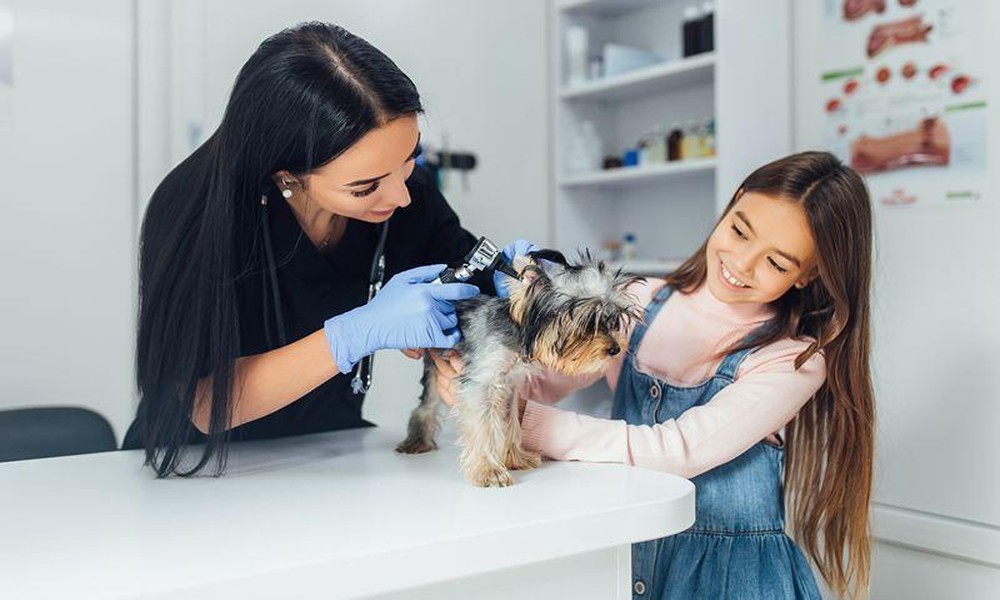
Good health is essential for a protection dog to perform well and live a happy life. Regular vet visits, proper vaccinations, and parasite prevention are important. A healthy diet suited to the dog’s size and activity level helps maintain strength and energy.
Protection dogs also need time to relax. Even though they are trained to protect, they should be able to rest and enjoy normal dog activities. Stress signs such as restlessness or loss of appetite should never be ignored.
Choosing the Right Protection Dog
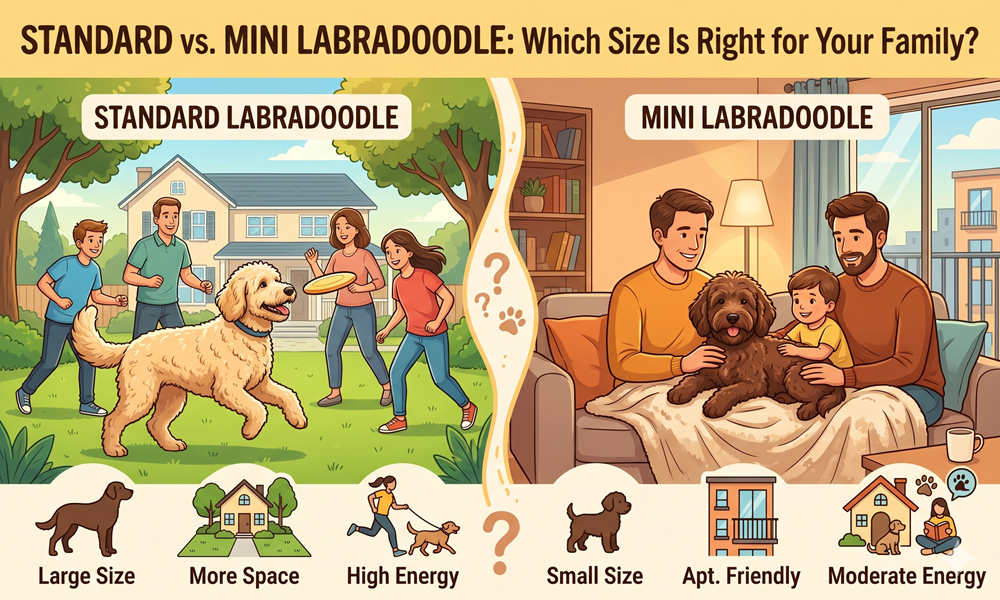
Not every protection dog suits every home. Before choosing, it is important to think about your lifestyle, home size, and family situation. Some dogs need more space and exercise, while others adapt better to smaller homes.
Different breeds have different traits. Some are known for intelligence and focus, while others are valued for strength and loyalty. Choosing the right dog means matching its needs with your ability to care for it properly.
Final Thoughts
Owning a protection dog is a serious responsibility, but it can also be very rewarding. With proper training, care, and understanding, a protection dog can offer safety, confidence, and companionship. By learning about training, daily care, and legal duties, you can ensure that your protection dog becomes a trusted and balanced member of your home.